

Why Symbolism Matters in Art
Art has always been about more than what appears on the surface.
Long before galleries and museums existed, people used symbols to communicate ideas, beliefs, stories, and emotions that words alone could not fully express. Across cultures and throughout history, animals, objects, landscapes, and recurring visual motifs have carried deeper meaning, inviting viewers to pause and look beyond what is immediately visible.
Today, symbolism continues to shape the way we experience art. A whale may represent wisdom and purpose. A horse may symbolize freedom and direction. A pocket watch can remind us that life unfolds according to its own rhythm. These symbols become more than visual elements—they become invitations to reflect on our own experiences and interpretations.
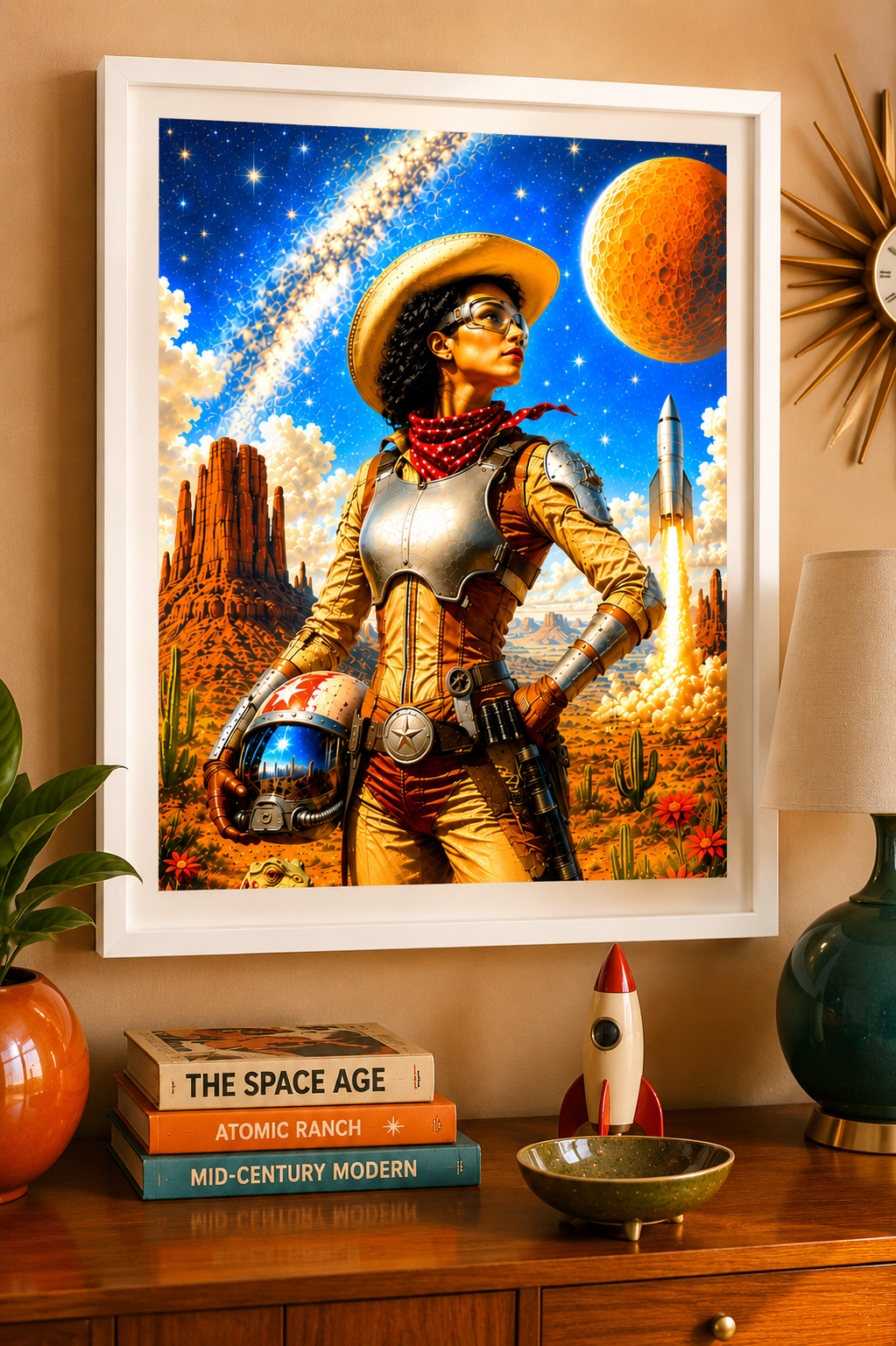
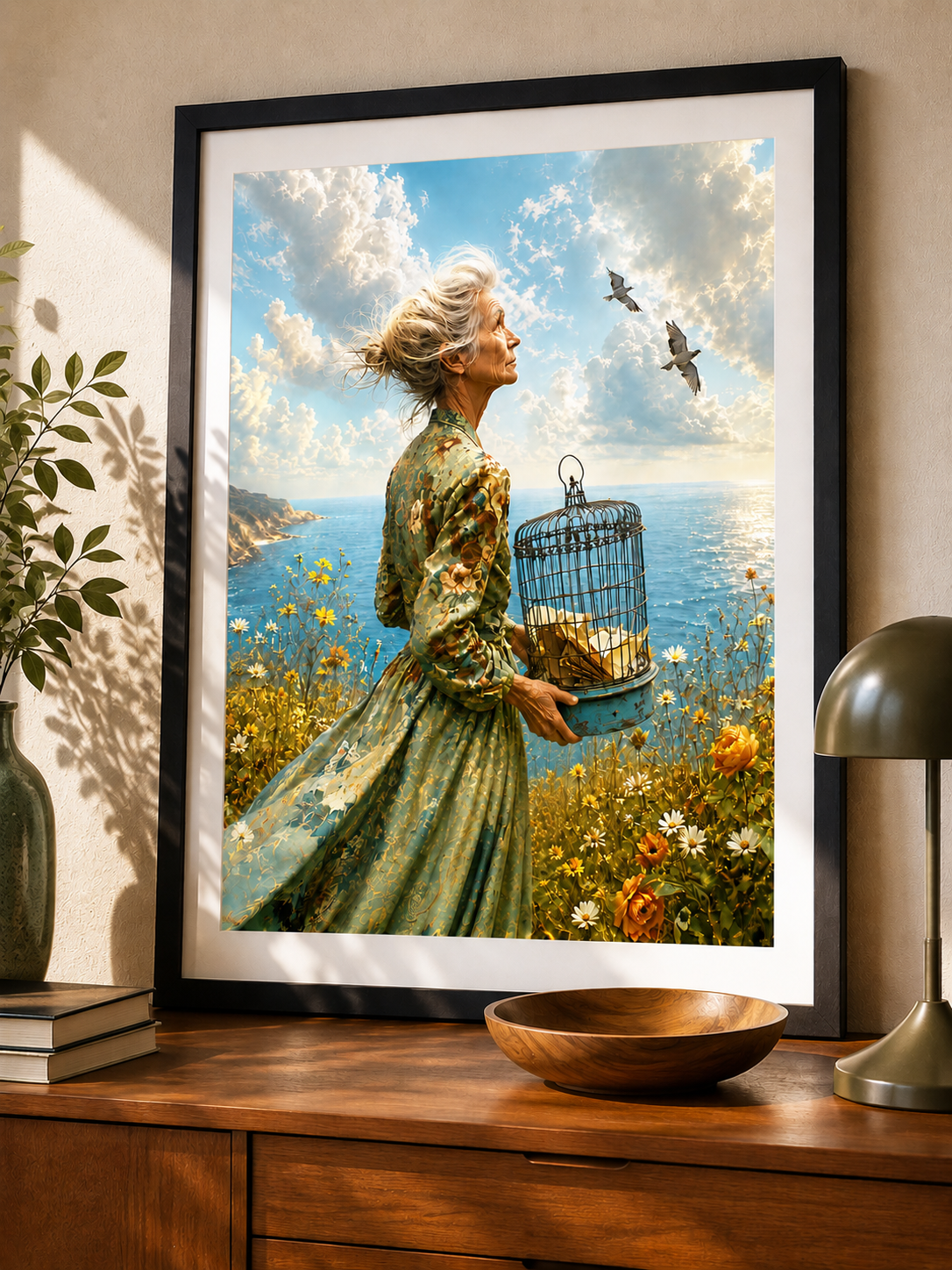
This idea lies at the heart of the Companion Collection. Each artwork pairs symbolic companions with themes of transformation, intuition, wonder, memory, and discovery. While every piece begins with a specific narrative, the meaning is never fixed. Instead, viewers are encouraged to bring their own stories, experiences, and perspectives into the artwork.
The most meaningful art often leaves room for interpretation. Rather than providing answers, it asks questions. Rather than explaining itself completely, it invites curiosity.
When we encounter symbolism in art, we become active participants in the story. We notice details. We look closer. We find connections between the artwork and our own lives.
Perhaps that is why symbolic art continues to resonate across generations. It reminds us that the most important stories are often the ones we discover for ourselves.